Understanding CNC Machined Stainless Steel Parts
CNC machining has revolutionized the manufacturing process, particularly when it comes to creating precision components. One notable area is in the production of cnc machined stainless steel parts, which are pivotal across various industries due to their strength, durability, and resistance to corrosion. The ability to use Computer Numerical Control (CNC) technology allows for high precision and consistency in the manufacturing process. In this comprehensive guide, we will explore the nuances of CNC machined stainless steel parts, focusing on their benefits, applications, materials, and techniques involved in their production.
What Are CNC Machined Stainless Steel Parts?
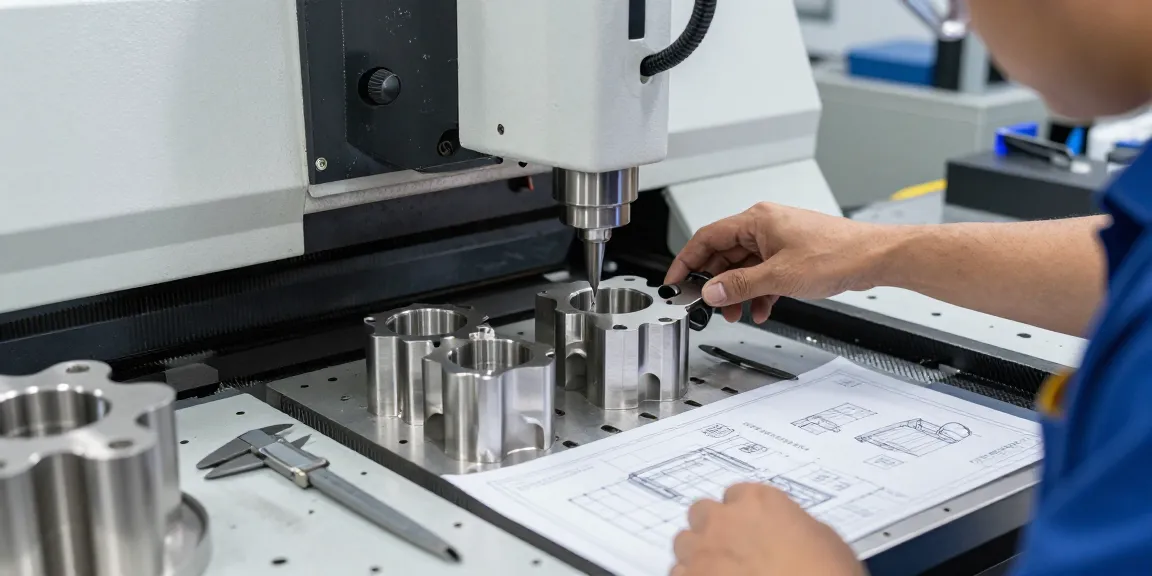
CNC machined stainless steel parts are components produced using CNC machining technology, where computer-controlled machines precisely shape and process stainless steel into desired configurations. This method supports both complex and simple geometrical shapes, making it ideal for producing custom components needed in various sectors. The versatility and high tolerance levels of CNC machining allow manufacturers to produce intricate parts that meet specific design and functional requirements.
Key Benefits of Using CNC Machining
- Precision and Accuracy: CNC machining can achieve tolerances as tight as ±0.001 inches, which is crucial for parts that require exact specifications.
- Efficiency: Automated processes reduce production time and save labor costs while maximizing output.
- Versatility: This technology can handle a variety of stainless steel grades and complex designs, catering to diverse applications.
- Consistency: CNC machining ensures that every part produced is identical, maintaining quality throughout production runs.
- Material Utilization: Minimizing waste by optimizing the machining process leads to cost savings and environmental benefits.
Common Applications Across Industries
CNC machined stainless steel parts find applications in multiple industries, including:
- Medical: Used for surgical instruments, implants, and medical devices due to their biocompatibility and corrosion resistance.
- Aerospace: Essential for structural components, fasteners, and engine parts, where lightweight and durability are critical.
- Food and Beverage: Components used in processing equipment that must adhere to stringent hygiene standards.
- Automotive: Employed in manufacturing various car parts, including engine components, exhaust systems, and more.
- Robotics: Custom parts for robotic arms and joints that require precision and reliability.
Materials and Techniques in CNC Machining
Best Stainless Steel Grades for CNC Machining
Stainless steel is available in numerous grades, each offering distinct properties suitable for various applications. Among these, the most commonly used grades for CNC machining include:
- 304 Stainless Steel: Known for its excellent corrosion resistance and formability, it is widely used in consumer goods and food-related applications.
- 316 Stainless Steel: Superior corrosion resistance makes it ideal for marine, medical, and chemical processing applications.
- 430 Stainless Steel: A ferritic grade that offers good corrosion resistance and is often used in automotive applications.
- 17-4 PH Stainless Steel: A precipitation-hardening steel with high strength and hardness, suitable for demanding environments.
Essential CNC Machining Techniques
Various techniques are employed within CNC machining to produce stainless steel parts efficiently. Key methods include:
- CNC Milling: Utilizing rotating cutting tools to remove material from a workpiece, ideal for producing complex shapes.
- CNC Turning: Involves rotating the workpiece while a single-point cutting tool removes material, commonly used for cylindrical parts.
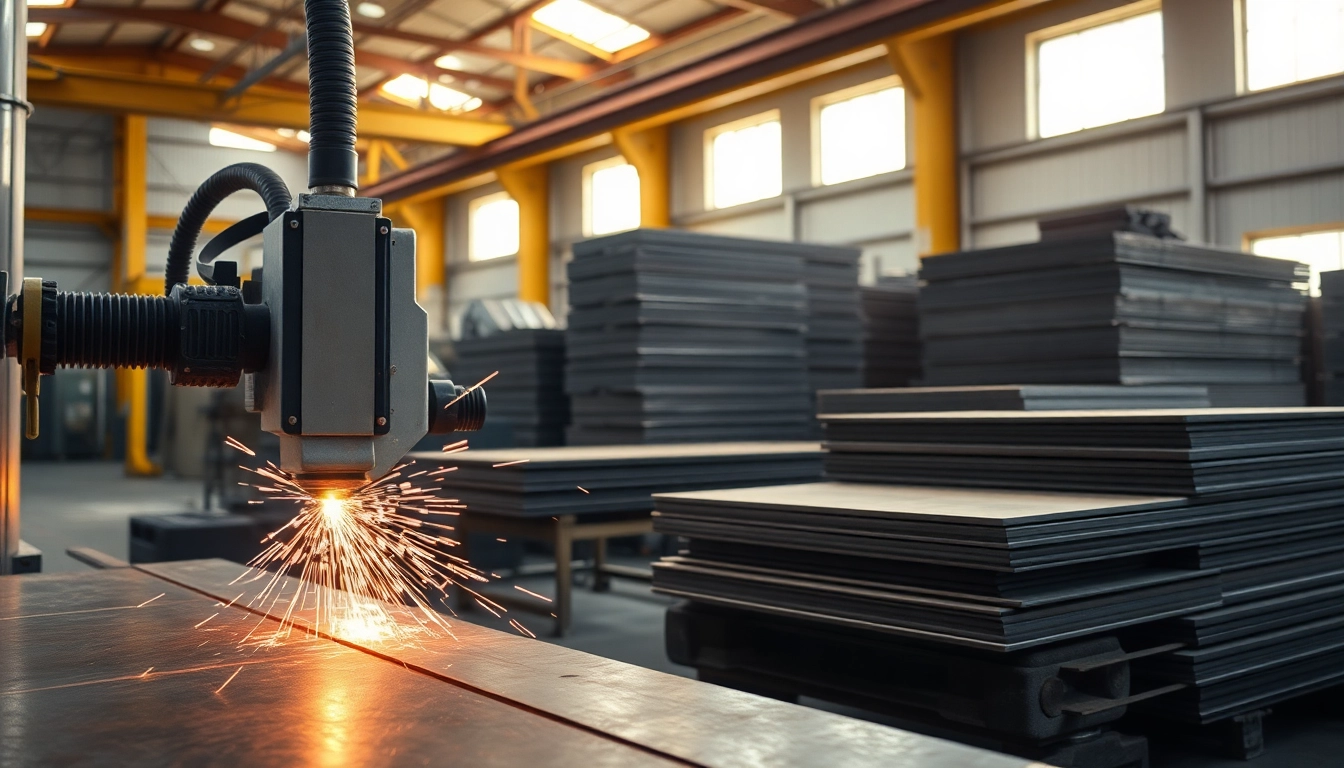
- CNC Laser Cutting: Uses high-powered lasers for precise cutting of stainless steel sheets, effective for intricate designs.
- CNC Waterjet Cutting: Employs ultra-high-pressure water jets to cut materials without thermal distortion, suitable for thick metals.
Innovative Technologies Transforming CNC Machining
The manufacturing landscape is rapidly evolving with technological advancements that enhance CNC machining processes. Innovations include:
- Artificial Intelligence (AI): AI is being integrated into CNC machining systems to optimize machining parameters and predict maintenance needs.
- 3D Printing: Combining CNC machining with additive manufacturing techniques allows for the production of hybrid parts with intricate geometries.
- IoT Connectivity: Smart factories use IoT devices to monitor machines in real time, ensuring optimal operation and reducing downtime.
Quality Control and Precision in Machining Processes
Importance of Quality Control in CNC Machining
Quality control is paramount in CNC machining, as it ensures that each part produced meets the stringent requirements set by various industries. Effective quality control processes can help identify defects early, reducing waste and ensuring that customers receive high-quality products.
Methods for Ensuring Precision and Accuracy
To maintain the high standards inherent to CNC machining, several methodologies can be employed:
- Calibration: Regularly calibrating machines ensures that they operate within specified tolerances.
- Inspection Techniques: Utilizing coordinate measuring machines (CMMs) and laser scanners can verify the accuracy of produced parts.
- Statistical Process Control (SPC): Applying statistical methods to monitor and control the CNC machining process helps maintain quality.
Case Studies of Successful Quality Implementation
Many manufacturers have successfully implemented quality control processes to enhance their CNC machining outcomes. For example, a leading aerospace manufacturer adopted SPC and CMM inspections, resulting in a significant reduction of part defects and material waste, leading to increased customer satisfaction and cost savings.
Challenges and Solutions in CNC Machining
Common Challenges Faced by Manufacturers
Despite the advantages of CNC machining, manufacturers face several challenges:
- Material Variability: Variability in material properties can affect machining outcomes.
- Equipment Maintenance: Regular maintenance is required to ensure optimal machine performance and prevent downtimes.
- Skill Shortages: Finding qualified operators who are skilled in CNC technology can be challenging.
- High Initial Investment: The cost associated with CNC machinery and setup can be significant, posing barriers for small manufacturers.
Effective Solutions to Overcome Machining Hurdles
To address these challenges, manufacturers can adopt various strategies:
- Enhanced Training Programs: Investing in training for operators can improve skills and reduce errors.
- Predictive Maintenance: Utilizing IoT technologies to monitor machine conditions can preemptively address maintenance needs.
- Custom Tooling: Designing specific tools for unique materials can improve machining efficiency and outcomes.
Future Trends and Predictions for 2026
As the manufacturing sector progresses, several trends are expected to shape the future of CNC machining:
- Increased Automation: More manufacturers will integrate robotics and AI into their CNC processes to streamline production.
- Sustainability Focus: There will be a greater emphasis on sustainable practices and materials in CNC machining to reduce environmental impact.
- Customization Demand: The need for custom parts is predicted to rise, pushing manufacturers to adopt flexible machining strategies.
Getting Started with Your CNC Machined Stainless Steel Parts
Choosing the Right CNC Machining Partner
Selecting the right CNC machining partner is crucial to achieving your project goals. Seek out manufacturers with a proven track record in your specific industry, and verify their capabilities in producing high-quality, precise stainless steel parts.
Steps to Design and Order Custom Parts
The process of designing and ordering CNC machined stainless steel parts typically involves:
- Design Creation: Using CAD software to create detailed designs.
- Prototyping: Developing prototypes to test functionality and fit.
- Final Ordering: Once approved, placing an order for full production.
Measuring Success in Your CNC Projects
Success in CNC projects can be measured through several key performance indicators (KPIs):
- Quality Metrics: Assessing the number of defects in parts produced.
- Production Efficiency: Evaluating throughput and cycle times.
- Cost Savings: Analyzing savings related to waste reduction and improved processes.
What are the advantages of CNC machining for stainless steel parts?
The advantages of CNC machining include high precision, efficiency, versatility, and consistency, making it ideal for producing complex stainless steel parts across various industries.
How can I ensure the quality of my CNC machined parts?
Implementing robust quality control measures, such as regular inspections and calibrations, can help ensure the quality of CNC machined parts.
What industries benefit from CNC machined stainless steel parts?
Industries such as medical, aerospace, automotive, food processing, and robotics significantly benefit from CNC machined stainless steel parts due to the material's desirable properties.
What should I consider when selecting stainless steel for machining?
When selecting stainless steel for CNC machining, consider factors such as corrosion resistance, strength, formability, and the specific requirements of your application.
How is CNC technology evolving in the manufacturing space?
CNC technology is evolving with advancements in AI, IoT integration, and additive manufacturing, enhancing efficiency and capabilities in the manufacturing space.