Understanding the Role of a New York Commercial General Contractor
Definition and Key Responsibilities
A New York Commercial General Contractor is responsible for overseeing construction projects in non-residential settings. This includes a variety of tasks such as planning, coordinating, and supervising the construction process from inception to completion. Among their primary responsibilities are managing subcontractors, ensuring compliance with building codes and safety regulations, and maintaining quality control throughout the project lifecycle.
General contractors act as the main point of contact between the client and various stakeholders. This role requires exceptional organizational skills, a solid understanding of construction practices, and the ability to resolve problems swiftly. They help establish project timelines, procure materials, and keep the project within budget. The effectiveness of a general contractor often dictates the success of a construction project, making their role critical in the commercial construction sector.
The Importance of Licensing and Insurance
Licensing and insurance are crucial elements for any New York Commercial General Contractor. Although New York does not have a state-wide licensing requirement for general contractors, many municipalities and counties impose their own regulations. It's essential for the contractor to check local licensing requirements before starting a project. Moreover, a licensed contractor demonstrates credibility and reliability, assuring clients that they possess the necessary skills and knowledge to handle the job.
Equally as important is insurance, which protects both the contractor and the client. General liability insurance provides coverage in case of property damage, bodily injury, or accidents that occur on the construction site. Additionally, workers’ compensation insurance is a legal requirement, ensuring that employees receive compensation for work-related injuries. Clients should always verify that their general contractor carries adequate insurance to mitigate potential risks.
How General Contractors Supervise Construction Projects
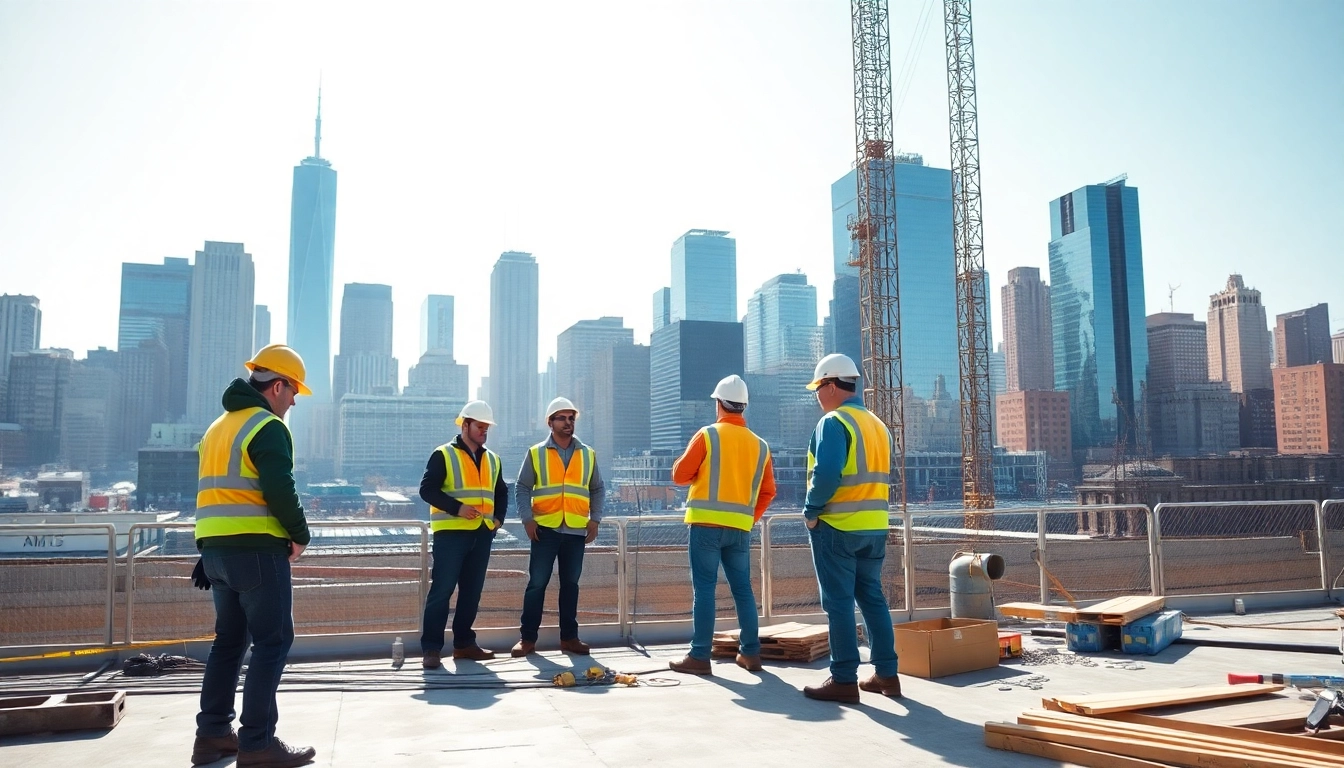
Effective supervision is a hallmark of a successful New York Commercial General Contractor. Supervision involves meticulous oversight of day-to-day activities on the construction site. General contractors ensure that work is completed according to plans, timelines, and quality standards. They organize regular site meetings with subcontractors and crew members to discuss progress and address any concerns that may arise.
Additionally, general contractors monitor compliance with safety protocols and company policies, ensuring that the job site adheres to all legal regulations. They also keep open communication channels with clients to provide updates and make necessary adjustments based on client input or project developments. By maintaining control and clear communication, general contractors can minimize misunderstandings and complications, ultimately leading to a smoother construction process.
Identifying the Right New York Commercial General Contractor for Your Project
Assessing Credentials and Experience
When seeking the right New York Commercial General Contractor, it's crucial to evaluate their credentials and experience. Begin by reviewing the contractor's portfolio and past projects to assess their expertise in handling projects similar to yours. Experienced contractors are likely to have navigated a variety of challenges, equipping them with the knowledge to anticipate and mitigate risks.
Check for relevant certifications and memberships in professional organizations, as these can reflect a commitment to industry standards and continuous improvement. It may also be worthwhile to inquire about their track record with project completion, quality of work, and client satisfaction. Verifying these aspects can help you select a contractor who is truly capable of delivering your vision.
Utilizing Reviews and Recommendations
Online reviews and personal recommendations provide valuable insight into the reputation of potential New York Commercial General Contractors. Websites like Google Reviews and Yelp can serve as platforms for glowing reviews as well as critical feedback. Pay careful attention to patterns in the feedback received – a contractor consistently praised for communication and timeliness may be more likely to deliver a positive experience than one with frequent complaints.
Additionally, seeking recommendations from colleagues, business partners, or industry peers can guide you towards reputable contractors. Personal experiences will often provide a clearer picture of what you can expect in terms of professionalism, craftsmanship, and reliability.
Understanding Cost Structures and Estimates
Transparency in pricing is vital when selecting a New York Commercial General Contractor. Ensure you gather detailed estimates from potential contractors that include all aspects of the project, such as labor, materials, permits, and contingencies. A reputable contractor should be willing to break down costs and explain their pricing structure clearly.
It’s advisable to obtain estimates from multiple contractors to compare not only overall costs but also the quality of proposed materials and work timelines. Keep in mind that the lowest bid may not always represent the best value – consider the contractor's experience, reputation, and approach to project management in addition to their price.
Best Practices for Working with Your General Contractor
Establishing Clear Communication Channels
Effective communication is the backbone of successful collaboration between a client and a New York Commercial General Contractor. Establish communication protocols early on, defining how often updates will be provided and through what medium (e.g., emails, phone calls, site meetings). Utilizing project management tools can also facilitate clearer communication, allowing both parties to share documents, schedules, and feedback seamlessly.
Encourage an open dialogue where questions and concerns can be raised promptly—this ensures that issues are managed before they escalate and allows for faster decision-making during the construction process.
Defining Project Expectations and Milestones
Before construction begins, it’s essential to outline expectations and project milestones. Work with your New York Commercial General Contractor to develop a detailed project timeline that includes significant milestones, deadlines, and deliverables. Establishing these benchmarks will provide a clear roadmap for both parties, allowing for easier tracking of progress and facilitating conversations about any adjustments that may be necessary throughout the project.
Aligning on design elements, budgets, and timelines upfront can prevent misunderstandings down the line and enhance overall project efficiency. It also helps to keep all team members accountable, leading to a seamless execution of the project.
Monitoring Progress and Addressing Challenges
Monitoring the progress of your project involves regular check-ins with your New York Commercial General Contractor. Keep an eye on the project schedule, and hold status meetings to discuss any roadblocks or delays that may arise. This allows for proactive management of challenges while fostering a collaborative relationship with the contractor.
In the event of unexpected issues or changes in scope, transparent and quick communication is key. Your contractor should provide solutions or alternatives that align with your project goals while keeping in mind the budget and timeline.
Common Challenges Faced by New York Commercial General Contractors
Dealing with Regulatory Challenges
New York’s complex regulatory environment presents numerous challenges for Commercial General Contractors. They must navigate city-specific codes, zoning laws, and safety regulations that can vary widely from one municipality to another. This demands a thorough understanding of legislative frameworks and how they impact construction practices.
Contractors often invest substantial time in acquiring the necessary permits and complying with regulations, which may slow project timelines. Therefore, it becomes vital for contractors to stay informed and proactive regarding legal requirements to mitigate delays and ensure compliance.
Managing Labor and Material Costs
Inflation and market fluctuations can lead to unpredictable labor and material costs, posing a significant challenge for New York Commercial General Contractors. Contractors must develop strong relationships with suppliers and laborers to negotiate favorable rates and ensure timely availability of materials. Doing so will assist in managing costs effectively while maintaining the quality of work.
A competitive bidding process allows contractors to secure the best pricing, but they must balance cost with expertise and reliability when selecting subcontractors and suppliers. Employing strategic procurement processes can alleviate budgetary constraints and maintain project timelines.
Handling Project Delays and Disruptions
Delayed projects can be caused by several factors, including severe weather, labor shortages, or supply chain disruptions. A New York Commercial General Contractor needs to develop contingency plans to mitigate the impact of such disruptions and adjust project timelines and resources accordingly.
Understanding potential challenges ahead of time allows contractors to react swiftly. By maintaining flexibility and proactive communication with clients, the contractor can find solutions that keep the project moving forward, even when faced with unexpected obstacles.
Future Trends in the New York Commercial Construction Industry
Embracing Sustainable Building Practices
Sustainability has become a focal point in the New York commercial construction industry, driven by increasing demand from stakeholders for environmentally friendly practices. New York Commercial General Contractors are now more frequently prioritizing sustainable materials and energy-efficient designs in their projects, aligning with global pushes towards responsible building.
Green building certifications such as LEED (Leadership in Energy and Environmental Design) are being sought by conscientious developers. Adopting sustainable practices not only results in long-term benefits for the environment but can also lead to cost savings through improved energy efficiency and reduced operating costs.
The Impact of Technology on Construction
Technology is rapidly transforming the construction landscape, with innovations like Building Information Modeling (BIM), drones, and construction management software becoming mainstream. These advancements enable New York Commercial General Contractors to enhance project visualization, streamline workflows, and improve coordination among stakeholders.
Integration of technology can also assist in project tracking, ensuring adherence to timelines and budgets. Contractors embracing these tools stand to benefit from increased efficiency and accuracy, ultimately enhancing project delivery outcomes and client satisfaction.
Adapting to Changing Market Demands
The commercial construction market is influenced by evolving client expectations, economic fluctuations, and changes in industry trends. New York Commercial General Contractors must stay vigilant and flexible to adapt their strategies accordingly while also emphasizing innovative solutions to meet clients’ needs.
This adaptability can manifest in various forms, such as integrating mixed-use development, adopting modular construction methods for efficiency, or shifting towards emerging sectors like e-commerce and logistics. These trends shape how contractors engage with clients and execute projects in a competitive market.
Frequently Asked Questions
What is a commercial general contractor?
A commercial general contractor specializes in overseeing non-residential construction projects, coordinating all aspects from planning and management to completion while ensuring compliance and quality control.
Do I need a general contractor license in New York?
In New York, general contractor licensing is usually done at the city or county level rather than state-wide, but requirements can differ, so it's essential to check local regulations.
How do I choose the right commercial general contractor?
Evaluate contractors based on experience, credentials, client reviews, and their approach to transparency in pricing. A thorough assessment helps ensure a good match for your project.
What challenges do commercial contractors face?
Common challenges include regulatory compliance, managing labor and material costs, and addressing project delays. Effective planning and communication help mitigate these issues.
What are the current trends in commercial construction?
Key trends include a focus on sustainable building practices, leveraging technology for efficiency, and adapting to changing market demands for innovative project solutions.