Understanding Cookware: Key Features and Benefits
Choosing the right cookware is essential for both amateur and professional chefs. Cookware not only affects cooking performance but also influences the final taste and presentation of dishes. In Auckland, various cookware shop Auckland options provide a vast selection of materials and designs to suit every kitchen need. Understanding the key features and benefits of different cookware types empowers you to make informed purchasing decisions.
Material Types of Cookware
Cookware is crafted from various materials, each offering distinct properties. Here’s a comprehensive look at common types:
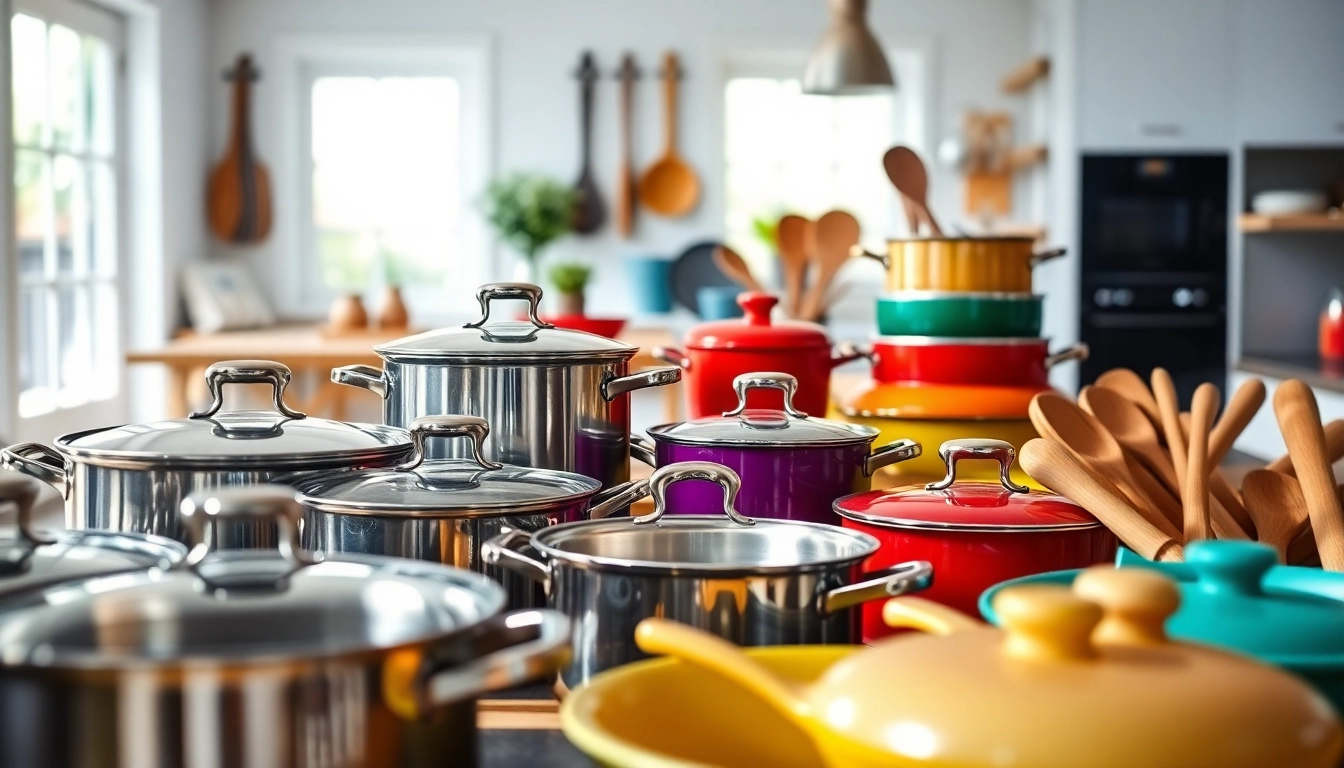
- Stainless Steel: Known for its durability and resistance to corrosion, stainless steel is ideal for browning and deglazing. It often features an aluminum or copper core to enhance heat conductivity.
- Non-Stick: Non-stick cookware is perfect for low-fat cooking and easy cleanup. However, it requires gentle handling to prevent scratches and must be maintained at lower cooking temperatures.
- Cast Iron: Renowned for heat retention, cast iron cookware is suitable for high-heat searing and can be used in the oven. Seasoning is crucial for maintaining non-stick properties.
- Ceramic: Microwave-safe and eco-friendly, ceramic cookware offers a variety of colors. While perfect for baking and roasting, it can be less durable than metal options.
- Copper: Conducting heat exceptionally well, copper cookware is favored by professional chefs for its responsiveness. Yet, it requires more maintenance to prevent tarnishing.
Design and Functionality
The design of cookware also plays a significant role in its usability. Factors include:
- Handle Design: Heat-resistant handles provide a safer grip and comfort during cooking. Look for ergonomically designed handles that offer stability.
- Weight and Balance: Heavier cookware generally provides better stability and heat retention, which is vital for tasks like frying or simmering.
- Oven Safety: Many cookware items are oven-safe, but it’s essential to check the safety temperature limits, especially for non-stick and plastic components.
- Lid Fit: A well-fitting lid retains moisture and heat, enhancing cooking efficiency. Glass lids allow tracking cooking progress without releasing heat.
Care and Maintenance Tips
Proper care can significantly extend the life of your cookware. Here are some strategies:
- Regular Cleaning: Always follow the cleaning instructions specific to your cookware. Some items are dishwasher-safe, while others require hand washing.
- Seasoning Cast Iron: Regular seasoning prevents rust and maintains the non-stick surface. It involves applying a thin layer of oil and baking it to reinforce the surface.
- Use Appropriate Utensils: Wood or silicone utensils help prevent scratches on non-stick and coated cookware. Metal utensils can damage these surfaces.
- Avoiding High Heat: Cooking at excessively high temperatures can damage non-stick coatings. Always choose the right heat setting for different materials.
Choosing the Right Cookware for Your Kitchen
With a multitude of cookware options available in Auckland, selecting the ideal set can feel overwhelming. To simplify your choice, consider the following:
Assessing Your Cooking Style
Your cooking style heavily influences the type of cookware you should invest in. For example:
- Home Cooks: If you cook simple meals, a basic set of stainless steel or non-stick pots and pans may suffice.
- Regular Bakers: Incorporate ceramic or glass cookware for baking, as they provide even heat distribution essential for baked goods.
- Enthusiastic Chefs: Invest in a comprehensive range that includes heavy-duty cast iron, stainless steel, and high-quality non-stick pieces.
Core Cookware Sets to Consider
When forming your collection, certain cookware essentials are must-haves:
- Frying Pans: A versatile frying pan is perfect for sautéing vegetables, browning meats, or making sauces.
- Saucepans: Essential for cooking grains, simmering sauces, and boiling pasta, choose different sizes for varied tasks.
- Stock Pots: Great for larger recipes, including soups and stews, essential for home meal preppers.
- Baking Dishes: Ideal for lasagnas and casseroles, a sturdy baking dish is a valuable addition.
Top Features to Look for
When evaluating cookware options, here are features to prioritize:
- Even Heat Distribution: Ensures food cooks evenly, preventing hot spots that can burn your meals.
- Durability: High-quality materials often endure wear and tear, offering better value in the long run.
- Versatility: Cookware that can transition from stovetop to oven expands its usage and accommodates various recipes seamlessly.
- Warranty: A solid warranty reflects the manufacturer's confidence in their product, indicating quality.
Popular Cookware Brands Available in Auckland
Auckland showcases a multitude of cookware brands catering to varying culinary preferences and budgets. Here’s a detail-oriented look at the types of brands you might come across:
Comparative Analysis of Cookware Brands
Exploring different brands is essential for understanding product offerings. Key considerations might include:
- Material Quality: Compare the type of metals, coatings, and finishes used in the cookware. High-quality materials often result in better heat conduction and durability.
- Customer Reviews: Assessing user experiences can provide insights into how products perform under various cooking methods.
- Product Range: Some brands offer extensive collections, making it easier to create a cohesive kitchen setup.
Specialty Cookware Offerings
Many Auckland cookware shops also feature specialty items that cater to unique cooking needs:
- Woks: Ideal for stir-frying, woks come in various materials, including carbon steel and non-stick options.
- Pressure Cookers: Quick cooking and excellent for stews; pressure cookers are a great addition for time-saving meals.
- Griddles: Perfect for pancakes or grilling vegetables, griddles offer a large cooking surface and are often non-stick.
Where to Find Quality Cookware Shop Auckland
Finding quality cookware involves researching reliable retailers. Local shops provide firsthand experience to touch and feel products, while online options expand availability. Look for shops with knowledgeable staff to help answer questions about cookware suitability for your needs.
How to Optimize Your Cooking Experience
Your cooking experience is not solely dependent on your cookware. Here’s how to enhance it:
Essential Utensils to Complement Your Cookware
In addition to quality cookware, the right utensils play a crucial role in cooking success:
- Spatulas: Opt for silicone or wooden spatulas to protect non-stick surfaces.
- Mixing Bowls: Sturdy mixing bowls in various sizes streamline meal prep processes.
- Measuring Tools: Accurate measurement cups and spoons are vital for precise baking.
Cooking Techniques for Better Results
Understanding basic cooking techniques can elevate your culinary skills:
- Sautéing: Ensure the pan is hot before adding oil to achieve optimal flavor and texture.
- Deglazing: After browning meats, add liquids to lift flavorful bits from the pan, enhancing sauce depth.
- Temperature Control: Learning to adjust heat settings can improve food outcomes significantly.
Safety Practices in Kitchen Cookware Use
Safety should never be compromised in the kitchen:
- Heat Resistance: Always use oven mitts when handling hot cookware to prevent burns.
- Ventilation: Using a range hood or opening windows reduces smoke and fumes, particularly with non-stick pans.
- Storage: Store cookware correctly, stacked with care to avoid scratches or damage.
Frequently Asked Questions About Cookware
What is the best material for cookware?
The best material for cookware depends on your cooking style. Stainless steel is versatile, while non-stick is useful for low-fat cooking. Cast iron retains heat well and is ideal for slow-cooking dishes.
How should I clean my non-stick cookware?
Clean non-stick cookware by hand using mild soap and a soft sponge. Avoid abrasive tools that can scratch the surface. When necessary, degrease with baking soda and water.
Can you put metal utensils in non-stick pans?
It is best to avoid using metal utensils with non-stick pans, as they can scratch the coating. Use wooden or silicone utensils instead to maintain the integrity of the surface.
What are the advantages of cast iron cookware?
Cast iron cookware excels in heat retention, distributes heat evenly, and is excellent for searing and baking. It's also versatile and can go from stovetop to oven seamlessly.
How do I choose the right cookware size?
Select cookware size based on your cooking needs. Small pans suit single servings, while larger pots cater to families or meal prep. Ensure a range of sizes for various meal types.