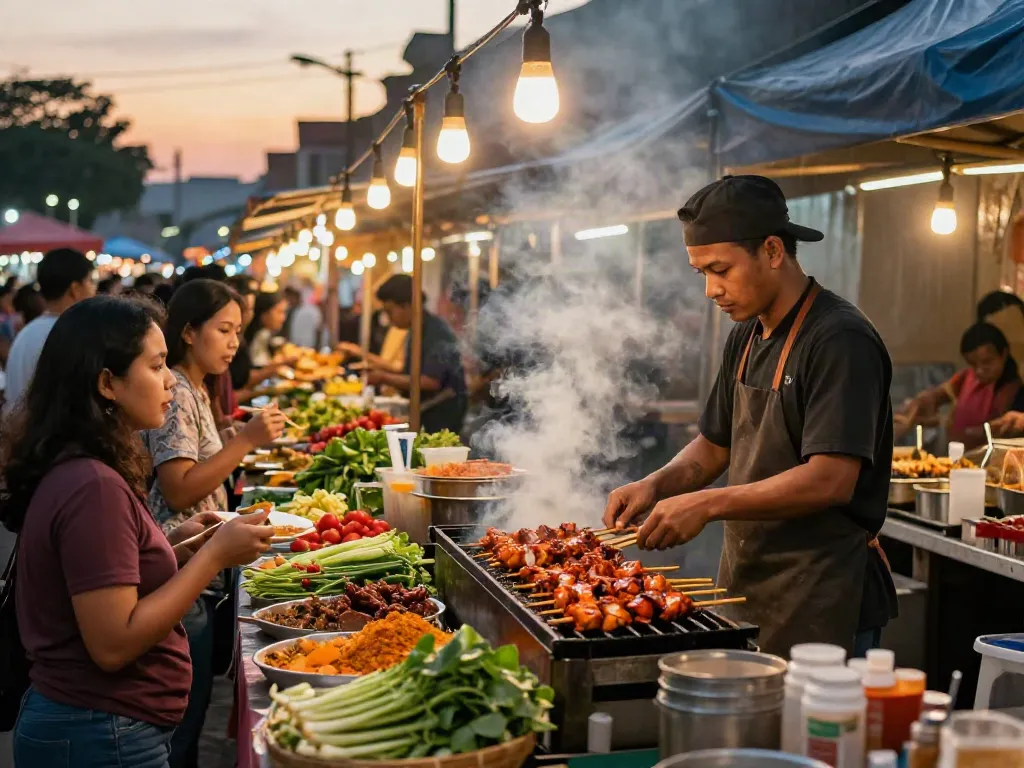
The Importance of Sambal in Indonesian Cuisine
Sambal is not just a condiment in Indonesian cuisine; it is a vibrant expression of culture and heritage. Found on tables across the archipelago, sambal is an essential component that enhances the flavors of numerous dishes. Among the multitude of sambal varieties, sambal rawit stands out due to its fiery heat and versatility. It is made primarily from bird's eye chilies, a staple ingredient in Indonesian kitchens. As one explores the realms of sambal, the rich history and culinary significance of sambal rawit emerge, highlighting its role beyond mere seasoning to a symbol of Indonesian identity and tradition. When exploring options, https://sambalrawitankoko.com provides comprehensive insights into authentic sambal experiences.
What is Sambal Rawit?
Sambal rawit is a spicy chili paste that features the prominent bird's eye chili, known locally as cabe rawit. This sambal can vary in heat, texture, and flavor profile, but its essential characteristics remain the same: it delivers a potent kick that can elevate any dish. Often accompanied by garlic, shallots, and seasoning such as salt and lime juice, sambal rawit can be served fresh or cooked, adapting to countless culinary applications. Its versatility makes it a favorite in various Indonesian meals, from simple rice dishes to elaborate feasts.
Cultural Significance of Sambal in Indonesia
In Indonesia, sambal is deeply rooted in the culture and daily lifestyle. It represents unity and hospitality, often served as a communal dish that brings people together over shared meals. Different regions boast their unique sambal recipes, reflecting local ingredients and cooking styles. For instance, sambal terasi incorporates shrimp paste for a deeper umami flavor, while sambal matah from Bali features raw ingredients for a fresh zing. This diversity highlights sambal's adaptability and its place as a culinary ambassador of Indonesia, showcasing the rich biodiversity of the islands.
Health Benefits of Sambal Rawit
Beyond its culinary charm, sambal rawit is packed with health benefits. The key ingredient—bird's eye chili—is rich in capsaicin, a compound known for its metabolism-boosting properties. This can aid in weight management and enhance metabolic function. Additionally, sambal rawit has antioxidant properties that contribute to overall health. Regular consumption can also enhance digestion and stimulate the appetite, making it more than just a spicy addition to meals but a functional food component.
How to Make Authentic Sambal Rawit
Creating authentic sambal rawit at home is a straightforward process that requires minimal ingredients but offers maximum flavor. The essential elements include fresh cabe rawit, garlic, shallots, and a bit of lime for acidity. The freshness of the ingredients is crucial for achieving the best taste. Follow this guide to learn how to make your sambal rawit that rivals any found in Indonesian kitchens.
Gathering Fresh Ingredients
To start, select high-quality bird's eye chilies, which are the heart of sambal rawit. Look for bright, firm chilies devoid of blemishes. Fresh garlic and shallots are needed to add depth to the flavor. Lime juice will help balance the heat, so opt for juicy limes. Having these fresh ingredients on hand is integral to developing the unique taste profile of your sambal.
Step-by-Step Preparation Guide
- Wash the bird's eye chilies thoroughly and allow them to dry.
- In a mortar and pestle, combine the chilies, garlic, and shallots. Grind them together until you achieve a coarse paste.
- Transfer the paste to a bowl and mix in a pinch of salt and a squeeze of lime juice. Adjust according to taste.
- For a cooked version, heat oil in a pan and sauté the sambal mixture for a few minutes to enhance the flavors.
This simple preparation will yield a vibrant sambal rawit, perfect for pairing with rice, grilled meats, or as an ingredient in more complex dishes.
Common Mistakes to Avoid
When making sambal rawit, a few common pitfalls can affect the outcome. Avoid using overripe or dried-out chilies, as they can lead to a flat flavor. Also, be cautious with salt; adding too much can overwhelm the fresh taste of the chilies. Lastly, remember that the heat levels can vary between different chili batches, so it’s wise to taste as you go and adjust accordingly.
Pairing Sambal with Dishes
The versatility of sambal rawit extends to its pairing with a variety of dishes. From traditional meals to innovative culinary creations, sambal enhances flavors across the board. Understanding how to pair sambal effectively can elevate dining experiences to new heights.
Best Dishes to Complement Sambal
Sambal rawit pairs exceptionally well with a range of Indonesian classics, including:
- Nasi Goreng (fried rice)
- Ayam Bakar (grilled chicken)
- Gado-Gado (vegetable salad with peanut sauce)
- Bakso (meatballs)
These dishes provide a hearty base that allows sambal rawit’s heat to shine, creating a harmonious balance of flavors.
Balancing Flavors in Your Meal
To create a well-rounded meal, consider the flavor profile of each dish. For instance, pairing a rich, fatty dish, such as fried chicken, with the sharp heat of sambal rawit can create a delightful contrast. Adding sides that offer sweetness or acidity can also enhance the overall meal experience.
Creating a Noteworthy Food Pairing Experience
For a truly memorable dining experience, explore innovative ways to incorporate sambal rawit. Consider serving it alongside cheese platters, grilled seafood, or even in marinades for meats. This approach encourages adventurous eating and allows guests to customize their meals according to individual heat preferences.
Innovative Uses for Sambal Rawit
Sambal rawit is not limited to traditional pairings; its fiery heat makes it a versatile ingredient in modern cuisine. Many chefs and home cooks are beginning to incorporate sambal into a broader range of recipes, showcasing its adaptability and appeal beyond Indonesian fare.
Incorporating Sambal into Modern Recipes
One innovative use of sambal rawit is in fusion dishes, such as sambal-infused pasta sauces or as a topping for pizzas. By adding sambal to dressings or dips, you can give traditional recipes a bold twist. Additionally, sambal can be used in marinades for meats, enhancing the flavor profile while providing a spicy kick.
Sambal in Vegan and Vegetarian Dishes
For plant-based meals, sambal rawit can elevate salads, veggie bowls, and stir-fries. It pairs well with tofu and tempeh, contributing heat that complements the natural flavors of these ingredients. By experimenting with sambal in vegan and vegetarian dishes, you can create satisfying meals that do not compromise on flavor.
Transforming Traditional Dishes with Sambal
Incorporating sambal rawit into traditional recipes is an excellent way to modernize them. For example, adding sambal to a classic soup can provide a spicy depth that transforms the dish. Similarly, using sambal in place of standard hot sauces in various recipes can refresh and elevate traditional flavors.
Future Trends in Spicy Condiments
The landscape for spicy condiments is evolving, with sambal rawit at the forefront. As culinary trends shift and spice becomes more prominent in mainstream cooking, sambal is poised to capture the attention of food enthusiasts worldwide.
Emerging Trends in Sambal Preparation
In 2026, expect to see more artisanal sambals made with unique ingredients or methods. Craft sambal makers may experiment with different chili varieties, local spices, and even infused versions that combine sambal with other flavor profiles, such as sweet or savory elements. This trend will cater to diverse palates and elevate sambal to gourmet status.
Exploring Fusion Cuisine with Sambal
As global cuisines merge, sambal will increasingly feature in fusion cooking. Recipes that blend Asian, Latin, and Mediterranean influences will showcase sambal rawit, allowing for innovative and exciting flavor combinations. The versatility of sambal makes it an excellent match for various culinary styles, promoting cross-cultural collaborations in food.
Consumer Preferences and Market Insights for 2026
The demand for spicy condiments is on the rise, with consumers increasingly seeking bold flavors in their meals. Sambal rawit, with its fierce heat and depth of flavor, aligns perfectly with this trend. As more people experiment with home cooking and seek out authentic ingredients, sambal rawit will gain recognition not just as a condiment, but as a staple in kitchens worldwide.
What makes sambal rawit different from other sambal?
Sambal rawit is distinguished by its primary ingredient, the bird's eye chili, which provides a unique level of heat and a different flavor profile compared to other sambals that may use milder peppers or additional ingredients like fruits and vegetables.
Can sambal rawit be made in advance?
Yes, sambal rawit can be made in advance and stored in the refrigerator for several days. This allows the flavors to meld together, enhancing the overall taste.
What are the storage tips for sambal rawit?
To store sambal rawit, keep it in an airtight container in the refrigerator. It’s essential to ensure that the sambal has a layer of oil on top if kept for an extended period, as this can help preserve its freshness.
Is sambal rawit suitable for all diets?
Yes, sambal rawit is suitable for most diets, including vegan and gluten-free diets. However, individuals sensitive to spicy foods or certain ingredients should approach sambal with caution.
How does sambal rawit benefit health?
Sambal rawit can benefit health through its high concentration of vitamins and antioxidants. It may also promote digestive health and offer anti-inflammatory properties due to the active compounds found in chili peppers.