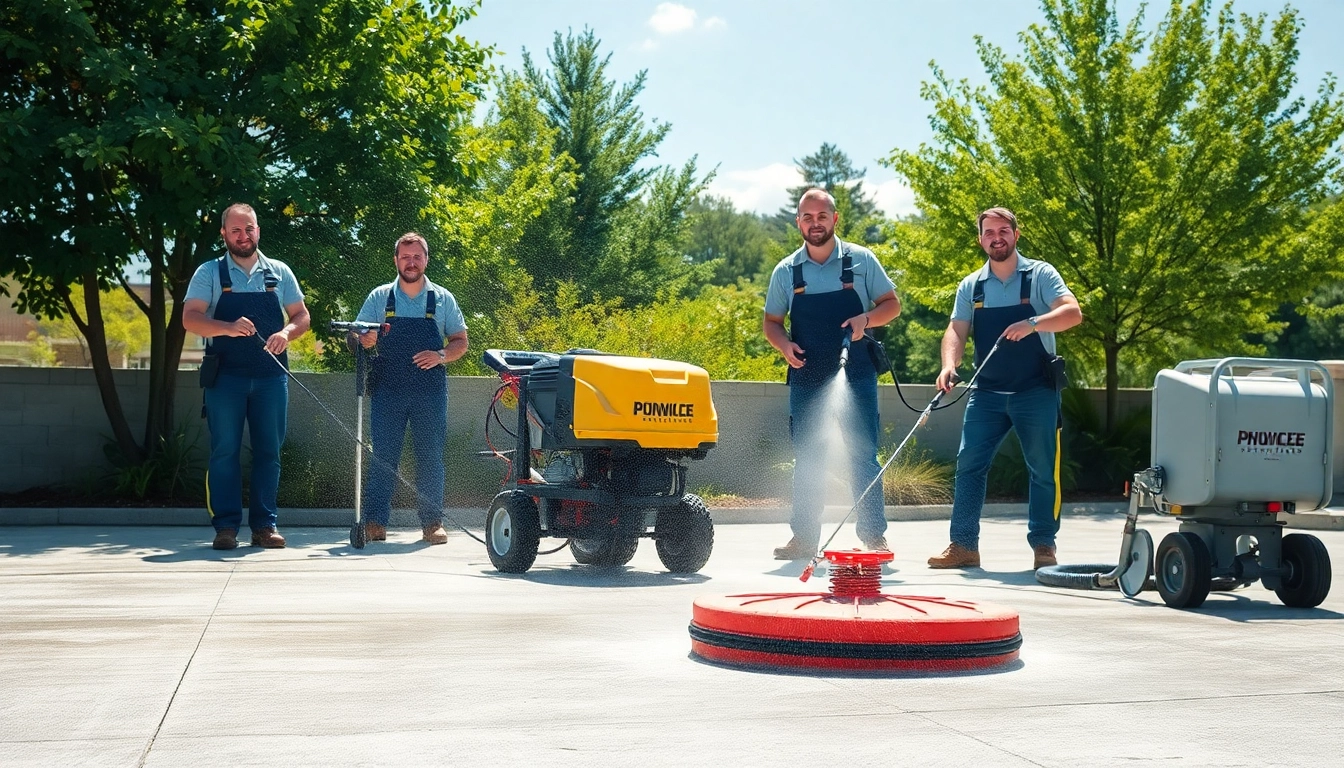
Understanding Concrete Cleaning
Concrete surfaces are an essential aspect of both residential and commercial properties, serving not just as foundations but also as driveways, patios, and walkways that contribute to curb appeal and functionality. However, over time, these surfaces can accumulate dirt, stains, and grime, detracting from their appearance. Concrete cleaning is an essential maintenance practice that revitalizes these surfaces, ensuring they remain visually appealing and structurally sound. This guide explores the various dimensions of concrete cleaning—from understanding the issues to utilizing professional services.
What Is Concrete Cleaning?
Concrete cleaning refers to the process of removing dirt, oils, mold, algae, and other contaminants from concrete surfaces using various methods and cleaning agents. This process is essential for maintaining the aesthetic and functional quality of concrete installations. Concrete cleaning can involve both pressure washing and the application of special cleaning agents, depending on the type and severity of the stains.
Common Types of Concrete Stains
Understanding the different types of stains that can affect concrete is crucial for implementing effective cleaning strategies. Here are some common culprits:
- Oil and Grease: Common in driveways and garage floors, these stains can be particularly challenging to remove and often require specific degreasers.
- Mold and Mildew: These growths can appear in damp areas and may be hazardous if not addressed promptly.
- Rust: Often caused by metal objects left on the concrete, rust stains can penetrate deep into the surface.
- Paint: Paint stains can be unsightly, and special solvents may be needed for removal.
Benefits of Professional Concrete Cleaning
While DIY cleaning methods may seem appealing, hiring professionals can offer numerous advantages:
- Effective Results: Professionals use high-pressure systems and eco-friendly cleaning solutions tailored for specific stains and surfaces.
- Time-Saving: Professional services complete cleaning tasks efficiently, allowing homeowners and business owners to focus on their priorities.
- Preventative Maintenance: Regular professional cleaning helps to identify and mitigate potential issues before they become significant problems, saving costs in the long run.
Essential Equipment for Concrete Cleaning
Effective concrete cleaning requires appropriate equipment and supplies. Understanding the available tools will help you choose the right method for your needs.
Pressure Washers: Types and Uses
Pressure washers are the backbone of many concrete cleaning operations. They come in various types: electric, gas, and hot water units. Each type serves distinct purposes:
- Electric Pressure Washers: Ideal for light cleaning tasks and residential use.
- Gas Pressure Washers: More powerful and suitable for larger jobs, including commercial applications.
- Hot Water Pressure Washers: Highly effective for oil and grease removal due to the added heat.
Eco-Friendly Cleaning Solutions
With increasing concerns about environmental sustainability, many cleaning services now utilize eco-friendly solutions that effectively break down stains without harmful chemicals. These biodegradable cleaners can tackle a range of stains while being safe for pets and plants.
Safety Gear for Effective Concrete Cleaning
Safety should be a top priority when cleaning concrete. Essential safety gear includes:
- Protective Eyewear: Shields your eyes from debris and cleaning agents.
- Gloves: Protects hands from chemicals and heavy equipment.
- Footwear: Non-slip, durable shoes help prevent injuries on wet surfaces.
Step-by-Step Concrete Cleaning Process
Following a systematic approach ensures thorough and effective cleaning. Below is a step-by-step guide for properly cleaning concrete surfaces.
Preparing the Area for Cleaning
Start by removing any furniture, plants, or other objects from the cleaning area. This allows for unobstructed access to the surfaces and prevents damage to other items.
Techniques for Heavy Stain Removal
For persistent stains, specialized techniques might be necessary:
- Pre-soaking: Applying a cleaner to the stains and allowing it to sit for several minutes helps loosen debris.
- Scrubbing: For tough stains, manually scrubbing with brushes enhances the cleaning process and efficiency.
- Pressure Washing: Use a pressure washer with the appropriate nozzle and pressure settings to clean without damaging the concrete.
Post-Cleaning Treatments and Sealants
After cleaning, consider applying a concrete sealant to protect the surface from future stains and damage. Sealants can significantly extend the life of your concrete and improve its appearance.
Common Questions About Concrete Cleaning
Understanding common queries can help property owners make informed decisions regarding concrete maintenance.
How Often Should You Clean Concrete?
The frequency of concrete cleaning depends on usage and exposure. For high-traffic areas, cleaning every 6 to 12 months is recommended, while less-used areas might only require annual cleaning.
Is Concrete Cleaning Safe for All Surfaces?
Generally, concrete cleaning is safe; however, you should always assess the condition of the surface. Certain older concrete might require gentler methods to prevent damage.
Cost Estimates for Concrete Cleaning Services
On average, professional concrete cleaning services can range from $0.50 to $3.00 per square foot, depending on the complexity of the job, location, and additional services like sealing.
Future Trends in Concrete Cleaning
The concrete cleaning industry is evolving, influenced by advancements in technology and changing consumer preferences.
Technological Advances in Cleaning Equipment
New technologies in cleaning equipment, such as automated pressure washers and smart sensors, are improving efficiency and effectiveness in cleaning practices.
Growth of Eco-Friendly Cleaning Practices
As environmental awareness rises, more companies are adopting eco-friendly cleaning methods. This trend includes utilizing sustainable cleaning agents and water-saving techniques.
Preparing for Changes in Industry Standards
As regulations regarding chemical usage and water reclamation evolve, businesses and homeowners must stay informed to comply with new industry standards and practices.