Understanding Marginal Pond Plants
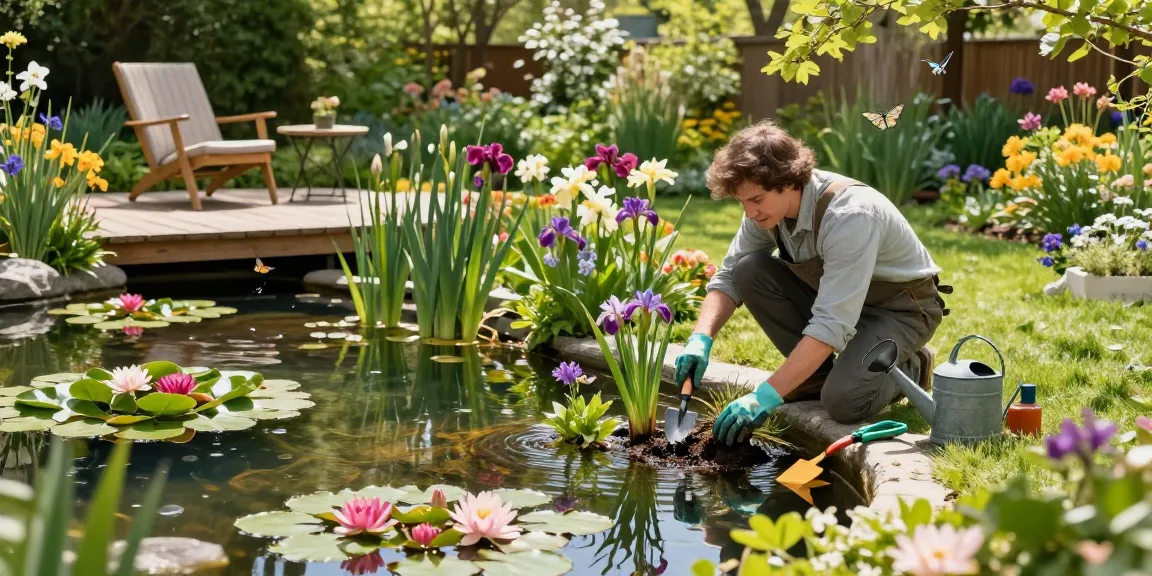
Marginal pond plants are vital components in the ecosystem of garden ponds, providing not only aesthetic appeal but also essential benefits for pond health. These plants grow in the shallow water along the edges of ponds, with their roots submerged and their foliage extending above the water's surface. They help to create a natural transition between aquatic and terrestrial environments, making them a pivotal choice for pond enthusiasts looking to enhance biodiversity and the overall visual landscape of their water features. When exploring options, Marginal Pond Plants offer a wide range of varieties tailored for different pond conditions and aesthetics.
What are Marginal Pond Plants?
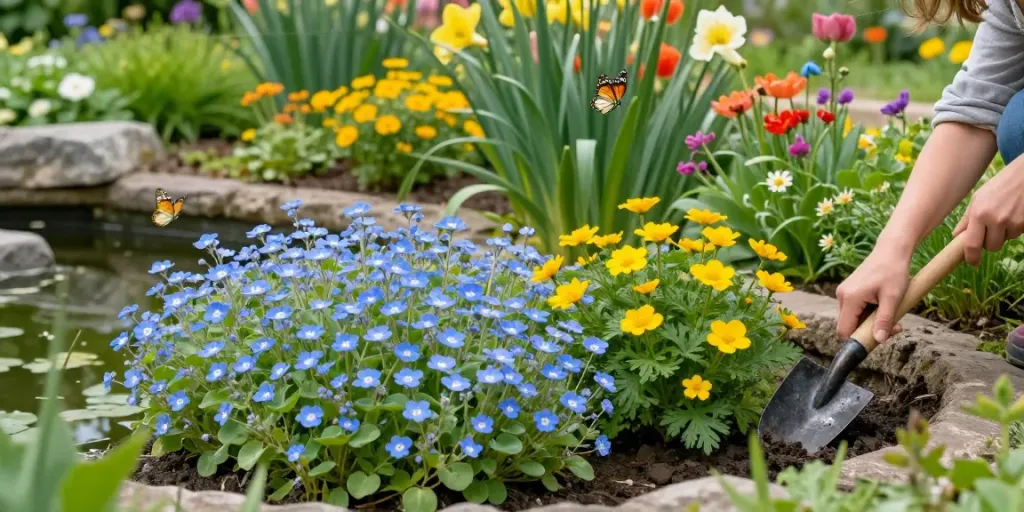
Marginal pond plants are a category of aquatic plants that thrive in wet conditions, typically along the perimeter of ponds or in shallow water areas. These plants often include species like Water Forget-me-not (Myosotis scorpioides), Marsh Marigold, and Pickerel Weed (Pontederia cordata). Each of these plants serves the purpose of stabilizing pond edges, preventing soil erosion, and providing habitat for spawning fish, frogs, and other aquatic wildlife.
Importance of Marginal Pond Plants in Ecosystems
The role of marginal pond plants extends beyond merely beautifying a pond’s edge. They contribute significantly to the ecosystem by:
- Enhancing Biodiversity: They provide habitat and food for various species, including insects, amphibians, and birds.
- Improving Water Quality: These plants naturally filter water as they absorb nutrients, which helps to reduce algae growth and maintain clearer water.
- Stabilizing Pond Banks: Their root systems help hold soil in place, minimizing erosion and maintaining the structural integrity of pond edges.
Differences Between Marginal and Other Aquatic Plants
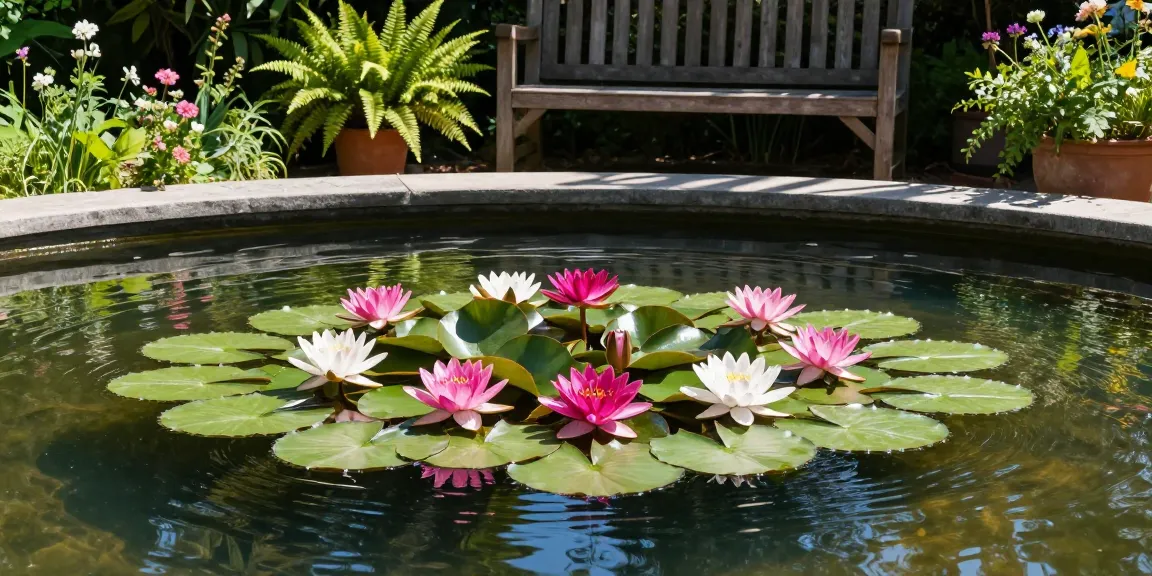
Marginal pond plants differ from other aquatic plants in that they primarily grow in shallow water or wet soils, where their roots are submerged while their stems and leaves remain above the water’s surface. In contrast, deep-water plants are fully submerged and focus on underwater growth, while floating plants remain on the water’s surface. This distinction is crucial for gardeners looking to create a balanced aquatic ecosystem.
Choosing the Right Marginal Pond Plants
When selecting marginal pond plants, it’s essential to consider several factors to ensure the health and vitality of your pond ecosystem. Various plants thrive under specific conditions, so understanding your pond's environment is critical.
Factors to Consider: Depth, Sunlight, and Soil Type
The choice of marginal plants should be influenced by:
- Water Depth: Different plants require varying depths of water to thrive. It's essential to measure the depth of your pond shelves to select plants that will flourish in those conditions—some may require only a few centimeters of water, while others can tolerate deeper settings.
- Sunlight: Most marginal plants prefer full sun, but some can thrive in partial shade. Understanding how much sunlight your pond receives throughout the day will help you choose the suitable species.
- Soil Type: Marginal plants usually prefer soil that remains moist. Using a well-draining aquatic compost can promote healthy growth and reduce root rot.
Best Marginal Plants for Small Ponds
For smaller ponds, selecting compact marginal plants is vital to avoid overcrowding. Some of the best options include:
- Water Forget-me-not (Myosotis scorpioides): Known for its small, charming blue flowers.
- Brass Buttons (Cotula coronopifolia): A low-growing plant that adds a lush green appearance.
- Sweet Flag (Acorus calamus): Offers aromatic foliage with sword-like leaves, ideal for adding texture.
Natives vs. Non-Natives: Which to Choose?
When selecting marginal pond plants, choosing between native and non-native species is essential:
- Native Plants: These species are naturally adapted to local environments and provide the best support for local wildlife. Examples include Marsh Marigold and Purple Loosestrife.
- Non-Native Plants: These can introduce unique colors and blooms to your pond but may require more attention to ensure they do not become invasive.
Planting Techniques for Marginal Pond Plants
Proper planting techniques are crucial for the establishment and growth of marginal pond plants. Here’s a guide to get you started.
Correct Planting Depth: A Practical Guide
Planting depth is one of the most critical factors influencing the health of marginal pond plants. Most plants have specific recommendations, usually listed on their labels:
- Measure from the water surface to the top of the basket.
- Ensure that some plants sit at the water's surface, while others can tolerate deeper settings.
Using Aquatic Baskets: Why They Matter
Aquatic baskets are essential tools for growing marginal pond plants. They allow for easy management, movement, and control of plant growth. Consider the following:
- Baskets prevent soil from washing away and allow roots to grow while keeping them contained.
- They make it easier to transport plants and divide them when necessary.
Water Quality and Marginal Plants: Ensuring Success
Water quality significantly impacts the success of your marginal plants. Consider these tips:
- Regularly test for pH, nitrate, and ammonia levels.
- Use natural filters and maintain a balanced ecosystem to prevent algae blooms and ensure healthy growth.
Caring for Your Marginal Pond Plants
Maintaining your marginal pond plants will ensure their continued growth and health. Here are some best practices:
Regular Maintenance: Tips for Healthy Growth
To keep your pond thriving, engage in consistent maintenance practices. This includes:
- Removing dead flowers and yellowing leaves to promote new growth.
- Repotting or dividing overcrowded plants in spring or early summer.
Common Pests and Diseases: How to Manage Them
Although marginal plants are generally robust, they can be susceptible to pests and diseases. Monitor for:
- Snails and slugs, which can damage plant foliage.
- Signs of fungal infections, which may require timely intervention with appropriate treatments.
Winter Care for Marginal Pond Plants
Preparing your pond for winter is essential for the survival of marginal plants:
- Trim back dead or collapsing growth but leave the roots intact in the pond.
- Consider moving tender plants to a frost-free area before severe cold hits.
The Benefits of Marginal Pond Plants in 2026
As we progress into 2026, the appreciation for marginal pond plants continues to grow due to their myriad benefits.
Enhancing Biodiversity and Wildlife Habitat
Marginal pond plants are invaluable for creating habitats for various wildlife. They provide essential cover and nesting sites for amphibians, birds, and beneficial insects.
Improving Water Quality and Clarity
The absorption of nutrients by marginal plants plays a crucial role in maintaining clear and healthy water. They absorb excess nitrates and phosphates, which can lead to algae outbreaks if left unchecked.
Creating Aesthetic Appeal in Your Garden Pond
Beyond their ecological benefits, marginal pond plants enhance the aesthetic appeal of garden ponds. Their varied colors, shapes, and sizes create a dynamic visual impact that can transform any outdoor space.
Frequently Asked Questions
What are the best marginal plants for ponds?
Some of the best marginal plants include Water Forget-me-not, Marsh Marigold, and various species of rushes, each offering unique benefits and appearances.
How deep do you plant marginal pond plants?
The required planting depth varies; some plants thrive with their tops level with the water surface, while others can tolerate depths of 20 cm or more.
What do marginal pond plants mean?
Marginal pond plants refer to the group of aquatic plants that grow in shallow regions around the edges of ponds, where their roots can access wet soil or shallow water.
What are the best plants to put in a small pond?
Compact varieties such as Water Forget-me-not, Brass Buttons, and Mazus are ideal for small ponds to avoid crowding.
Can marginal pond plants help reduce algae?
Yes, marginal pond plants can help reduce algae by absorbing excess nutrients that would otherwise contribute to algae growth.