As global manufacturing continues to advance, companies are under increasing pressure to improve productivity, maintain product quality, and reduce operational costs. Achieving manufacturing excellence requires more than efficient equipment—it requires consistent, reliable, and intelligent production processes.
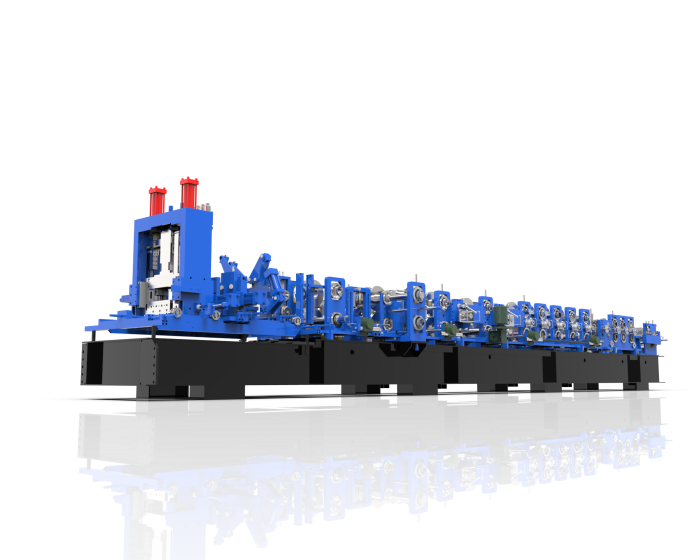
Automation has become one of the most important factors in helping manufacturers reach these goals. By reducing manual intervention and improving process control, automation enables businesses to operate more efficiently and deliver higher-quality products. Advanced systems such as a cz purlin machine and cz purlin roll forming machine demonstrate how automation contributes to modern manufacturing success.
Why Automation Matters in Modern Manufacturing
Manufacturers today face challenges including rising production demands, labor shortages, and increasing quality expectations. Traditional production methods can sometimes limit efficiency and introduce inconsistencies into the manufacturing process.
Automation helps overcome these challenges by creating more controlled and predictable production environments. With automated systems managing critical operations, manufacturers can improve performance while maintaining consistent standards across production runs.
Benefits of Automation in Manufacturing
Improved Product Consistency
Automated systems follow precise operating parameters, helping ensure uniform product quality throughout the manufacturing process.
Higher Production Efficiency
Automation reduces production delays and supports continuous operation, allowing manufacturers to increase output.
Reduced Human Error
By minimizing manual adjustments, automated equipment helps reduce mistakes that can affect product quality and production performance.
Better Equipment Utilization
Automated monitoring and control systems help maximize machine productivity and improve overall operational efficiency.
Enhanced Quality Control
Real-time monitoring allows manufacturers to identify and address potential issues before they impact production results.
Automation supports a variety of manufacturing applications, including:
- Steel framing production
- Purlin manufacturing
- Material handling systems
- Quality inspection processes
- Industrial component production
- Roofing and structural products
- High-volume manufacturing operations
These capabilities help manufacturers achieve greater operational reliability and performance.
The Role of Advanced Purlin Production Equipment
A modern cz purlin machine uses automated controls to maintain accurate dimensions and consistent production quality. This helps manufacturers improve efficiency while reducing waste and production errors.
Likewise, a cz purlin roll forming machine integrates advanced automation technologies that support continuous production and reliable output. These systems enable manufacturers to meet growing market demands while maintaining high-quality standards.
Choosing the Right Automation Strategy
When implementing automation, manufacturers should consider equipment reliability, production requirements, scalability, and long-term operational goals. Investing in advanced automated systems can provide significant benefits through improved productivity and reduced operating costs.
A successful automation strategy should support both current manufacturing needs and future business growth.
Conclusion
The connection between automation and manufacturing excellence continues to grow stronger as technology advances. Automation helps manufacturers improve consistency, increase productivity, and maintain the quality standards required in today's competitive marketplace.
Whether utilizing a cz purlin machine or a cz purlin roll forming machine, manufacturers can benefit from automation technologies that support operational excellence and long-term business success.