
Understanding Water Lilies: A Guide for Enthusiasts
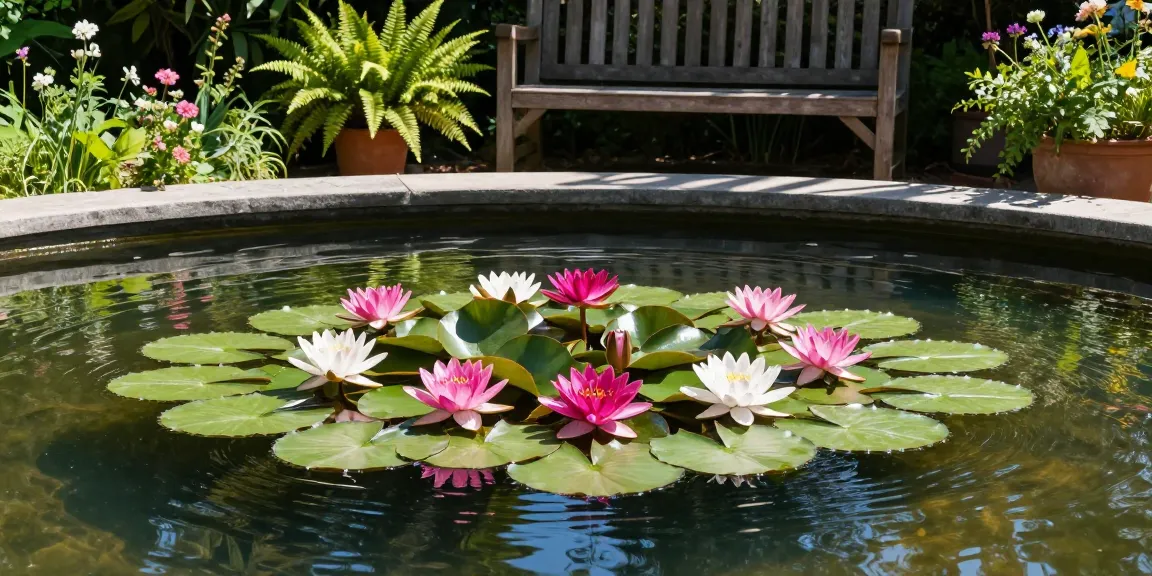
Water lilies are a captivating addition to any pond or water garden, offering not only aesthetic beauty but also essential ecological benefits. These stunning plants are renowned for their broad, floating leaves and vibrant flowers, which bloom in a variety of colors, including white, pink, yellow, and blue. As you delve into the world of water lilies, you’ll discover that they are more than just a pretty face; they play a vital role in maintaining the health of aquatic ecosystems. When exploring options, Water Lilies provide comprehensive insights into choosing the right plants for your aquatic environment.
What Are Water Lilies and Their Unique Features?
Water lilies belong to the family Nymphaeaceae, which encompasses several genera and species. These perennial plants are typically found in shallow freshwater habitats, where they thrive in sediment-rich soils. One of their unique features is the ability to grow submerged in water, with their flowers and leaves extending above the surface. Water lilies have large, round leaves that can span up to 12 inches in diameter, providing shade and refuge for aquatic life. Additionally, their flowers can range from 2 to 12 inches across, opening during the day and closing at night, which attracts various pollinators, including bees and butterflies.
The Different Species of Water Lilies You Should Know
There are two primary types of water lilies: tropical and hardy. Tropical water lilies, such as those in the Nymphaea genus, are typically characterized by vibrant colors and larger blooms. They require warm temperatures and are usually found in warmer climates. Hardy water lilies, on the other hand, are native to cooler regions and can survive winter conditions in temperate zones. Popular species include:
- Nymphaea odorata (Fragrant Water Lily) – Known for its sweet fragrance and white flowers.
- Nymphaea alba (White Water Lily) – Features beautiful white blooms and is widely distributed in Europe.
- Nymphaea ‘Blue Hardy’ – A striking blue variety favored for its vibrant hue and hardiness.
- Nymphaea ‘Pink Glow’ – Offers gorgeous pink flowers that bloom throughout the summer.
Creating the Perfect Habitat for Water Lilies
Choosing the Right Pond Location and Size
The first step in cultivating healthy water lilies is selecting the right pond location. Ideally, the pond should receive at least 6-8 hours of sunlight each day, as water lilies thrive in bright light. The size of the pond also matters; larger ponds provide more stable temperatures and conditions. A minimum depth of 18 inches is recommended for hardy water lilies, while tropical varieties may need deeper water to prevent overheating.
Water Quality: Essential Conditions for Optimal Growth
Water quality is crucial for the success of water lilies. These plants prefer slightly acidic to neutral pH levels (between 6.0 and 7.5). Regular testing of pond water is essential to monitor levels of nutrients such as nitrogen and phosphorus, as excessive nutrients can lead to algae bloom, hindering the growth of water lilies. Additionally, maintaining a healthy balance of beneficial bacteria in the water can help improve overall quality.
Companion Planting: Enhancing Your Pond’s Ecosystem
Integrating companion plants into your water lily habitat can enhance the ecosystem of your pond. Marginal plants like cattails, rushes, and irises not only provide visual appeal but also help stabilize pond edges and offer wildlife habitat. Consider planting submerged plants such as hornwort or anacharis, which can help oxygenate the water and reduce algae growth, ensuring that your water lilies flourish.
Best Practices for Growing and Maintaining Water Lilies
Seasonal Care: What to Do Throughout the Year
Caring for water lilies is a year-round endeavor. In the spring, check for any debris or dead leaves that may have accumulated during winter. As temperatures rise, fertilize the lilies using a slow-release aquatic fertilizer to promote growth and blooming. During the summer months, monitor water levels and add water as necessary to keep the pond at an optimal level. As winter approaches, it’s crucial to ensure that hardy water lilies are properly prepared for colder conditions.
Pest Management Techniques for Healthy Water Lilies
Water lilies can attract pests such as aphids, spider mites, and certain aquatic beetles. Regular monitoring of your plants can help you catch infestations early. Introducing natural predators like ladybugs can effectively manage aphid populations. For more stubborn pests, consider using insecticidal soap or neem oil, ensuring that you follow the instructions carefully to avoid harming beneficial insects.
When to Repot and Divide Your Water Lilies
Water lilies require repotting every 2-3 years to prevent overcrowding and ensure healthy growth. The best time to do this is in early spring before the plant resumes active growth. To repot, carefully remove the plant from its container, trim any dead or damaged roots, and place it in a new container with fresh aquatic soil. Division can be done during repotting to propagate new plants; this involves cutting the rhizome into sections, each with a healthy root system.
Water Lilies in Landscape Design
Integrating Water Lilies Into Your Garden Aesthetic
Water lilies can serve as stunning focal points in garden design. When strategically placed, they can enhance the overall aesthetic of your pond or water garden. Consider utilizing contrasting colors in your water lilies compared to surrounding plants to create visual interest. Additionally, the tranquility and reflection provided by water lilies can complement various landscape styles, from modern to traditional.
The Role of Water Lilies in Wildlife-Friendly Gardens
Incorporating water lilies into your garden not only beautifies the space but also supports local wildlife. The blossoms attract pollinators, while the leafy pads provide shelter for small fish and amphibians. To maximize the benefits of your water lilies, avoid using chemical pesticides in your pond area, allowing a healthy ecosystem to thrive.
Innovative Landscaping Ideas Featuring Water Lilies
For those looking to create a unique landscape design, consider pairing water lilies with ornamental grasses or bamboo to create a modern Japanese-inspired garden. Elevated water features, such as raised planters filled with water lilies, can add depth and intrigue to your outdoor space. Additionally, using lighting to highlight water lilies at night can transform your garden into a magical retreat.
Future Trends in Water Lily Cultivation
Emerging Technologies for Pond Care by 2026
As we move towards 2026, technological advancements will significantly affect how we care for pond plants like water lilies. Innovations in water quality monitoring systems, such as smart sensors that can alert gardeners to changes in pH or nutrient levels, will simplify pond management. Additionally, automated systems for irrigation and fertilization may make caring for water lilies more efficient, reducing manual labor and improving plant health.
Sustainable Practices for Water Garden Maintenance
With growing awareness of environmental conservation, sustainable gardening practices are becoming essential. Water lily cultivation can benefit from composting organic matter to create nutrient-rich fertilizers. Furthermore, rainwater harvesting systems can ensure a steady supply of clean water for your pond, promoting eco-friendly maintenance practices.
Predictions for Water Lily Popularity in Landscaping
As landscape design trends evolve, the popularity of water lilies is expected to rise. Homeowners are increasingly seeking to create serene outdoor spaces that promote relaxation and mindfulness. The visual appeal, coupled with their environmental benefits, positions water lilies as a go-to choice for water gardens, especially in urban settings where green spaces are becoming more valued.
What Are the Most Common Water Lily Questions?
As interest in water lilies grows, so do the questions surrounding their care and cultivation. Common inquiries include how to choose the right variety based on climate and pond size, the best fertilizers to use, and how to manage pest issues effectively. Addressing these frequently asked questions will help enthusiasts enjoy greater success in their water lily endeavors.
How to Choose the Right Variety of Water Lilies?
When selecting water lilies for your pond, consider factors such as climate, pond size, and personal aesthetic preferences. Hardy varieties are ideal for cooler temperatures, while tropical water lilies bring vibrant color to warmer regions. Researching specific varieties and understanding their growth habits will ensure that you select the most compatible options for your water garden.
Can Water Lilies Survive Winter Conditions?
Hardy water lilies can withstand winter conditions in temperate zones by going dormant. To protect them, it’s advisable to allow the plants to sink below the frost line and cover the pond with leaves or netting to prevent ice formation. Tropical water lilies, however, must be brought indoors during colder months to avoid frost damage.
What Are the Best Fertilizers for Water Lilies?
Water lilies thrive when provided with a balanced, slow-release fertilizer specifically designed for aquatic plants. Look for fertilizers that contain essential macronutrients like nitrogen, phosphorus, and potassium. Applying fertilizer during the growing season will support healthy foliage and blooming.
How to Attract Wildlife with Water Lilies?
To attract wildlife to your pond, consider creating a diverse habitat by including a mix of water lilies and other native plants. Providing shallow areas for birds and amphibians to access water will encourage visits from local wildlife. Avoiding chemical treatments will foster a friendly environment for beneficial insects and small animals that inhabit the pond ecosystem.
