Optimize Your Kitchen Storage with the Perfect Freezer Solutions
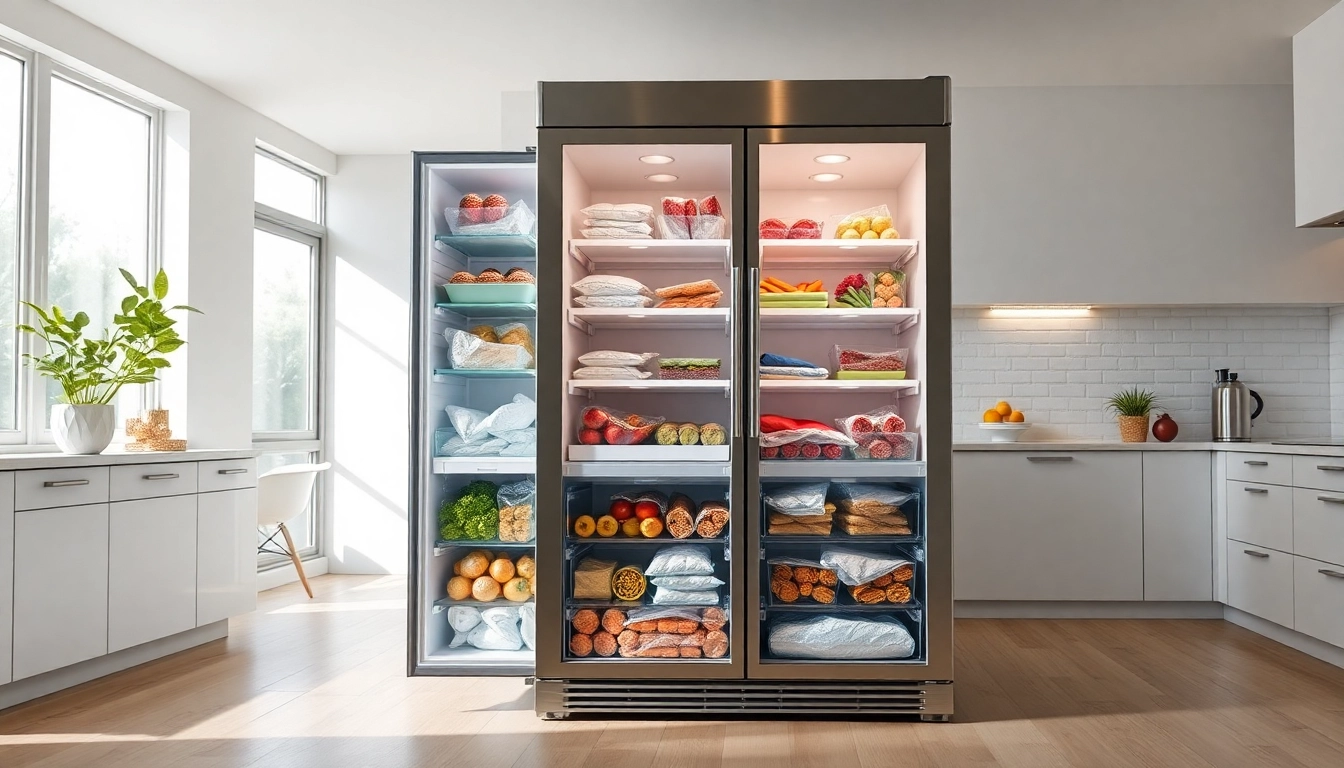
The Importance of a Quality Freezer
Understanding Freezer Benefits
When it comes to food storage solutions, a quality Freezer is an indispensable asset in any kitchen. Freezers play a crucial role in preserving food freshness, extending shelf life, and reducing waste. They allow you to buy in bulk, store leftovers efficiently, and make meal prepping a breeze. By maintaining the quality of the food, freezers can help you save money in the long run and ensure that you and your family have convenient access to nutritious meals, even during busy times.
Common Freezer Features
Modern freezers come equipped with a variety of features designed to enhance usability and efficiency. Here are some of the common features you should know:
- Temperature Control: Having adjustable temperature settings allows you to customize the freezing environment based on the types of food being stored.
- Frost-Free Technology: This feature automatically prevents frost buildup, eliminating the need for manual defrosting and preserving space in the freezer.
- Energy Star Ratings: Energy-efficient models help you save on utility costs while minimizing your carbon footprint.
- Adjustable Shelves/Bins: These provide flexibility in organizing your frozen goods, accommodating items of varying sizes.
- Quick Freeze Option: This allows for rapid freezing, locking in the freshness of foods by freezing them quickly and preventing ice crystals from forming.
Energy Efficiency in Freezers
Energy efficiency is an essential consideration when selecting a freezer. Models with high energy ratings can significantly decrease your utility bills and environmental impact. Key features that contribute to a freezer’s efficiency include better insulation, variable speed compressors, and energy-efficient heating elements. Educating yourself on the consumption metrics of these appliances can lead to both environmental benefits and long-term savings.
Choosing the Right Freezer for Your Needs
Different Types of Freezers
Freezers come in various types, each designed to meet specific storage needs:
- Upright Freezers: These resemble refrigerators with shelves and drawers, offering easy access to stored items. They are suitable for those who value organization.
- Chest Freezers: These are larger and allow for bulk storage. They are ideal for hunters or anyone looking to stock up on food, although accessing items may require some digging.
- Portable Freezers: Compact and often designed for outdoor use, these are great for camping trips or small apartments where space is limited.
Assessing Size and Capacity
Selecting the right size and capacity for your freezer is crucial. Consider the following factors:
- Household Size: Larger households may require more space, while smaller families can make do with compact models.
- Usage Patterns: Think about how often you purchase groceries, whether you buy in bulk, and if you prefer meal prepping.
- Physical Space: Measure the area where you intend to place the freezer to ensure you choose a model that fits comfortably.
Key Considerations for Freezer Location
Choosing the right location for your freezer can enhance its efficiency and ease of use. Here are key considerations:
- Proximity to Cooking Area: Positioning the freezer near your kitchen can make meal prep more convenient.
- Ventilation: Ensure that your chosen location has sufficient airflow to maintain optimal operating conditions.
- Accessibility: Frequent usage warrants easy access to the freezer, avoiding unnecessary bending or stretching.
Maintaining Your Freezer
Regular Maintenance Tips
Regular maintenance of your freezer enhances its longevity and effectiveness. Here are some essential tips:
- Inspect and clean the seals to ensure they are tight, preventing warm air from entering.
- Perform periodic defrosting, especially if your freezer isn’t frost-free.
- Keep the exterior clean, including the condenser coils, for increased efficiency.
Signs Your Freezer Needs Repair
It’s vital to recognize when your freezer requires repair to prevent food spoilage. Common signs include:
- Unusual noises, suggesting mechanical issues.
- Frost buildup or ice formation, indicating problems with airflow or sealing.
- Temperatures fluctuating above ideal freezing levels.
How to Clean Your Freezer
Proper cleaning of your freezer is essential for hygiene and performance. Here’s a step-by-step guide:
- Unplug the appliance and remove all items.
- Defrost (if applicable) and wipe down surfaces with a mixture of warm water and baking soda.
- Pay special attention to corners and seals, removing any food residue.
- Dry the interior completely before restocking with food.
- Plug the freezer back in and allow it to reach the desired temperature before refilling.
Maximizing Freezer Space
Efficient Organization Hacks
Optimizing freezer space can be a challenge, but several organization techniques can help:
- Sort items by categories such as meats, fruits, and vegetables for quick access.
- Use bins and egg cartons to make the most of vertical space.
- Implement a first-in-first-out system to ensure older items are used first.
Best Freezer Storage Practices
Properly storing food not only helps maximize space but also maintains food quality. Here are some best practices:
- Store food in airtight containers to prevent freezer burn.
- Label items with the date and type for easy reference.
- Leave space between items to allow for airflow, enhancing freezing efficiency.
Labeling and Inventory Techniques
An organized labeling system is a must for a well-functioning freezer. Consider these techniques:
- Use clear, waterproof labels that indicate contents and dates.
- Maintain a freezer inventory list, updating it as you add or remove items.
- Consider color-coding labels for different food categories, making it easy to spot what you need.
Common Freezer Mistakes to Avoid
Overloading Your Freezer
While it might seem beneficial to fill your freezer to the brim, doing so can hinder air circulation and affect freezing efficiency. Aim for a well-balanced load that allows for airflow while maximizing space usage.
Ignoring Temperature Settings
Maintaining the optimal temperature at 0°F (-18°C) is crucial to ensure food safety and quality. Regularly check and adjust the settings as needed, particularly after adding new items.
Improper Food Packaging
Using subpar packaging can lead to freezer burn and loss of quality. Always use materials designed for freezing, and ensure you remove as much air as possible before sealing.
Frequently Asked Questions
What is the ideal temperature for a Freezer?
The ideal temperature for a Freezer is 0°F (-18°C) to keep food frozen and safe.
How often should I defrost my Freezer?
Defrost your Freezer every 6 months or when frost buildup exceeds a quarter-inch.
Can I store dry goods in my Freezer?
Storing dry goods in your Freezer is possible, but ensure they are well-sealed to avoid moisture.
What foods should not be frozen?
Avoid freezing eggs in shell, milk in cartons, and certain vegetables like lettuce and potatoes.
How can I reduce energy consumption of my Freezer?
Maintain the right temperature, keep it full, and regularly clean the coils to boost energy efficiency.