Mastering African American Cartoons: A Comprehensive Guide for 2026
Understanding African American Cartoons
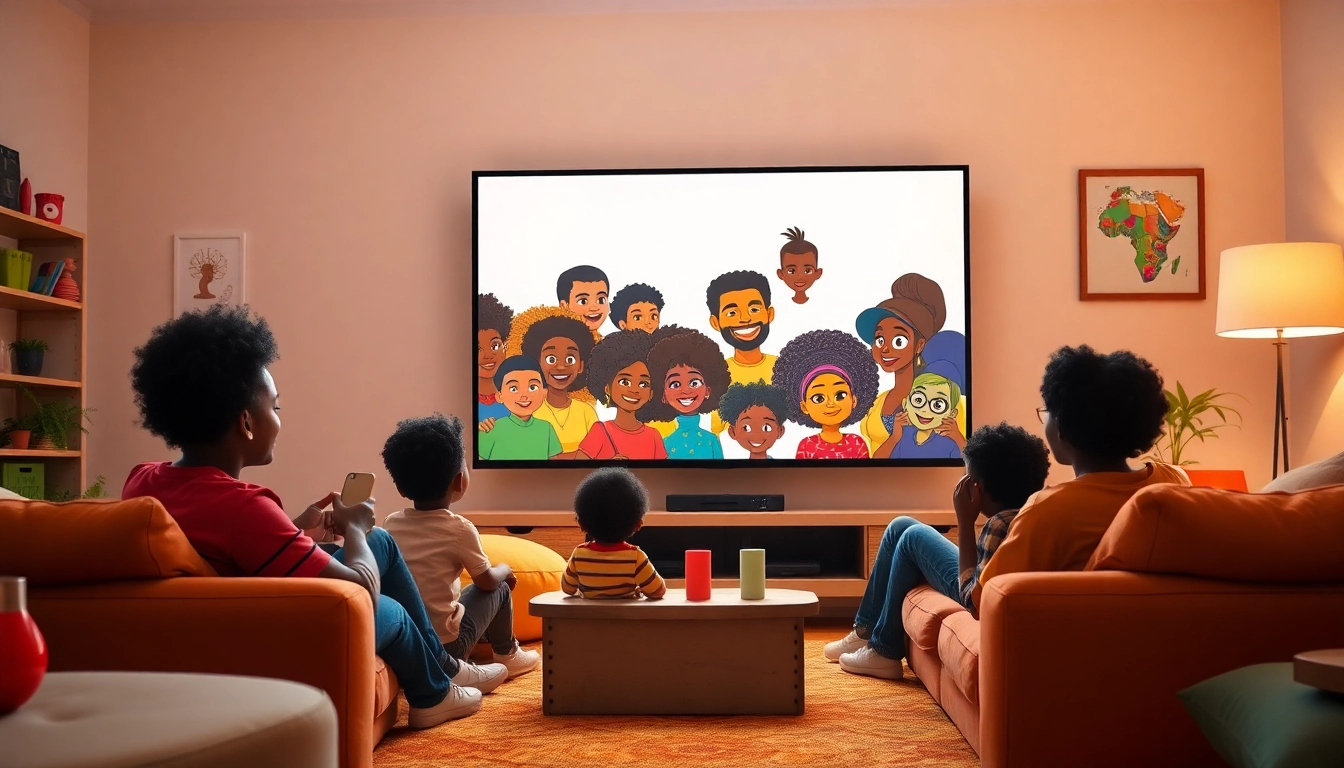
African American cartoons have played a pivotal role in the evolution of animation, providing representation and a voice to diverse narratives that reflect the culture and experiences of African Americans. These animations are not only entertaining but also educational, serving as a medium through which historical and contemporary social issues are explored. In this in-depth article, we shall delve into the historical context, key themes, and the evolution of African American cartoons. For those seeking a treasure trove of African American Cartoons, there are numerous resources available that celebrate this rich culture.
Definition and Historical Context
The term “African American cartoons” refers to animated shows and films primarily created by or featuring African American characters. The history of these cartoons can be traced back to the early 20th century, when racial stereotypes dominated the animation landscape. However, as the civil rights movement gained momentum, so did the demand for authentic representation in animated content. Pioneers like Bob Clampett and his creation “Bugs Bunny” often faced criticism for perpetuating racial caricatures, which paved the way for artists such as Aaron McGruder, who addressed social issues head-on with “The Boondocks.”
Key Themes and Cultural Significance
Many African American cartoons navigate themes such as identity, community, resilience, and the importance of heritage. Shows like “The Proud Family” not only entertain but also teach valuable lessons about family values, cultural pride, and social responsibility. These animated series often serve as a mirror, reflecting the triumphs and trials of the African American community while promoting discussions on race and cultural identity.
Evolution Over the Decades
The evolution of African American cartoons has been remarkable. From the early days of “Fat Albert and the Cosby Kids” to contemporary hits like “Craig of the Creek,” these animations have adapted to changing societal norms and audience expectations. In the 1990s, the focus shifted toward more sophisticated narratives that challenged stereotypes, and this trend continues today, with an increasing number of Black animators and writers shaping the future of animation.
Popular African American Cartoons for All Ages
Classic Shows That Shaped Generations
Classic cartoons like “Fat Albert,” “The Jetsons,” and “The Proud Family” hold a special place in the hearts of many. They not only provided laughter but also captured the essence of their respective eras. “Fat Albert,” created by Bill Cosby, was groundbreaking for its focus on African American youth, addressing issues such as poverty and friendship while promoting positive messages.
Modern Favorites for Today’s Viewers
Today, series such as “Steven Universe” and “Adventure Time” feature diverse characters and storylines that reflect contemporary issues. Additionally, platforms like Netflix and Hulu are showcasing more content that highlights African American experiences, with shows such as “Motown Magic” paving the way for young audiences to see themselves represented in animation.
Animated Films with Cultural Impact
Animated films like “The Princess and the Frog” and “Soul” have made significant cultural impacts. “The Princess and the Frog” was notable for featuring Disney’s first Black princess, Tiana, who is portrayed as a hardworking and ambitious individual. Meanwhile, “Soul” explores existential themes through an African American lens, blending jazz music with cultural storytelling in a way that resonates with audiences.
Representation in Animation: The Importance
Breaking Stereotypes Through Storytelling
Representation in animation is vital, as it helps to break down long-standing stereotypes. With shows like “The Boondocks,” creators have taken the opportunity to confront societal issues directly, allowing audiences to engage in critical discussions about race and identity. Storytelling in this medium can dismantle biases and foster understanding among diverse viewer demographics.
Empowering Young Audiences
Animated series that feature African American characters empower young viewers by reflecting their experiences and challenges. Characters like Doc McStuffins, who is not only a doctor but also a young Black girl, inspire children to pursue their dreams regardless of societal barriers. Such representations instill a sense of pride and ambition in young audiences.
Diverse Voices in the Animation Industry
The animation industry is becoming increasingly inclusive, with more diverse voices contributing to the creative process. This shift is crucial for the development of authentic narratives in African American cartoons. By amplifying overlooked talent, the industry can produce content that resonates with varied audiences, fostering an environment where everyone feels represented.
Exploring Iconic Characters
Profiles of Influential Black Cartoon Characters
Many Black cartoon characters have left an indelible mark on animation culture. For instance, characters like Huey and Riley Freeman from “The Boondocks” offer sharp critiques of contemporary society, while Frozone from “The Incredibles” showcases a powerful Black superhero. Such characters provide both entertainment and a lens through which viewers can examine societal issues.
Character Development and Cultural Identity
The development of Black characters in animation reflects the journey of cultural identity in America. Shows like “The Proud Family” explore family dynamics and community ties, creating relatable storylines that resonate with viewers. As character development deepens, audiences are treated to layered narratives that reflect real-life complexities.
Merchandising and Media Influence
The success of African American cartoons is also seen in merchandising, with characters appearing on toys, clothing, and various media. This commercialization is more than just profit-driven; it symbolizes cultural recognition and acceptance. Merchandising can bridge the gap between animation and actual cultural experiences, allowing fans to connect with their favorite characters in meaningful ways.
The Future of African American Cartoons
Trends to Watch in 2026 and Beyond
As we look ahead to 2026, several trends in African American cartoons are emerging. The increasing use of digital platforms for distribution is enabling more creators to share their work with global audiences. Additionally, themes surrounding social justice and inclusivity are expected to remain prevalent, as younger generations demand content that reflects their values.
New Platforms and Distribution Channels
The rise of streaming services has changed how animation is consumed. Platforms like Netflix, Hulu, and even YouTube are hosting numerous animated series that center around African American experiences. This shift allows for greater diversity in storytelling and gives creators more freedom to explore complex narratives that mainstream networks might shy away from.
Community Engagement and Viewer Feedback
Community feedback is becoming increasingly important, as audiences actively participate in shaping the narratives they consume. Engaging with fans through social media or community events can provide invaluable insights for creators, helping them create content that resonates deeply with viewers. This interactive approach can lead to richer storytelling, aligning narratives more closely with audience expectations.